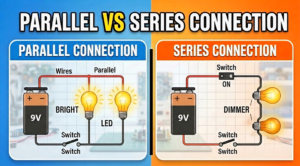
Parallel vs series connection
Electric powered circuits are the backbone of every electric and digital machine. From small diy projects to huge energy structures, components are connected in specific methods to govern how electricity flows. Two of the maximum not unusual techniques of connecting additives are series connection and parallel connection. Expertise the distinction between these types of connections is critical for college students, hobbyists, and every person operating with electrical devices.
What is a Series Connection
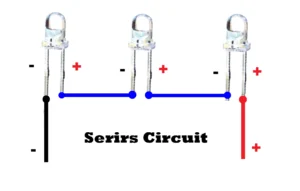
A chain connection is a kind of electric circuit wherein components are linked one after another in a unmarried path. On this setup, the electric cutting-edge flows thru every issue sequentially.
Because there’s simplest one route for the modern to journey, the same modern-day passes via all of the components within the circuit.
Key Characteristics of Series Connection:
- The current is the same through all components.
- The total voltage is divided among the components.
- If one component fails or disconnects, the entire circuit stops working.
- The total resistance is the sum of all individual resistances.
Example:
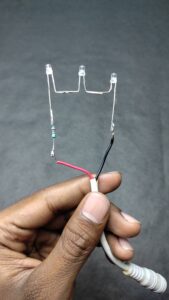
A easy example of a sequence connection is a chain of ornamental lighting fixtures in which each bulb is attached one after some other. If one bulb burns out, the whole string of lighting stops glowing.
Series circuits are commonly used in easy electronics experiments and educational demonstrations.
What is a Parallel Connection
A parallel connection is a circuit where additives are related across the identical points, developing multiple paths for electric modern to go with the flow.
On this configuration, each element gets the same voltage, but the modern-day divides between the distinctive branches.
Key Characteristics of Parallel Connection: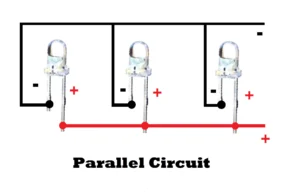
- The voltage across each component is the same.
- The current divides among different branches.
- If one component fails, the other components continue to work.
-
The total resistance decreases as more components are added.
Example:
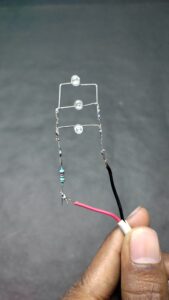 Most household electrical structures use parallel connections. In homes, lights, lovers, and home equipment are linked in parallel in order that every tool can operate independently. If one tool stops operating, the others continue functioning typically.
Practical Applications
Series connections are often used in:
- Battery packs in which voltage wishes to growth
- Simple electric experiments
- Some kinds of led strip designs
Parallel connections are used in:
- Household wiring systems
- Power distribution networks
- Most electronic circuits and home equipment
Conclusion
Each collection and parallel connections play an essential role in electric systems. A series connection affords a easy circuit shape however has barriers due to the fact the failure of 1 element impacts the whole circuit. Parallel connections, alternatively, offer extra reliability and versatility, that’s why they may be extensively utilized in real-world electric installations.
Know-how those two types of connections allows in designing more secure and extra green electrical circuits for numerous packages.
How did you like this information, definitely tell us in the comment and if you have any question related to it, then you can ask in the comment.